Luxury Is in the Flow, Not the Flash
When you walk into a beautifully designed home, you can feel it before you even understand why. The air feels calmer. The rooms feel connected. Every space speaks the same quiet, confident language.
That invisible thread, the one that ties the entire home together, is called cohesion, and it’s one of the most essential (and most overlooked) elements of high-end interior design.
Designing a cohesive home isn’t about making every room look the same. It’s about creating a graceful, intuitive journey from one space to the next. A home should feel like a story unfolding, each chapter distinct, yet unmistakably part of the same book.
Why Cohesion Matters in Luxury Interiors
High-net-worth homeowners often invest in interiors that feel elevated, intentional, and serene. Cohesion delivers exactly that. It:
Creates a sense of calm and order
Makes a home feel larger and more harmonious
Elevates first impressions and long-term livability
Increases both functional and aesthetic value
A cohesive home feels curated, as though every decision was part of a bigger vision. Because it was.
1. A Unified Color Strategy (Without Being Matchy-Matchy)
Color is one of the most powerful tools for creating flow. Designers don’t repeat the same shade in every room , instead, they build a palette family.
Think of it like a symphony:
One color may take the lead in the living room.
A supporting tone may appear subtly in the hallway artwork.
The dining room might anchor the palette with a slightly deeper, richer variation.
This creates visual familiarity without ever feeling repetitive.
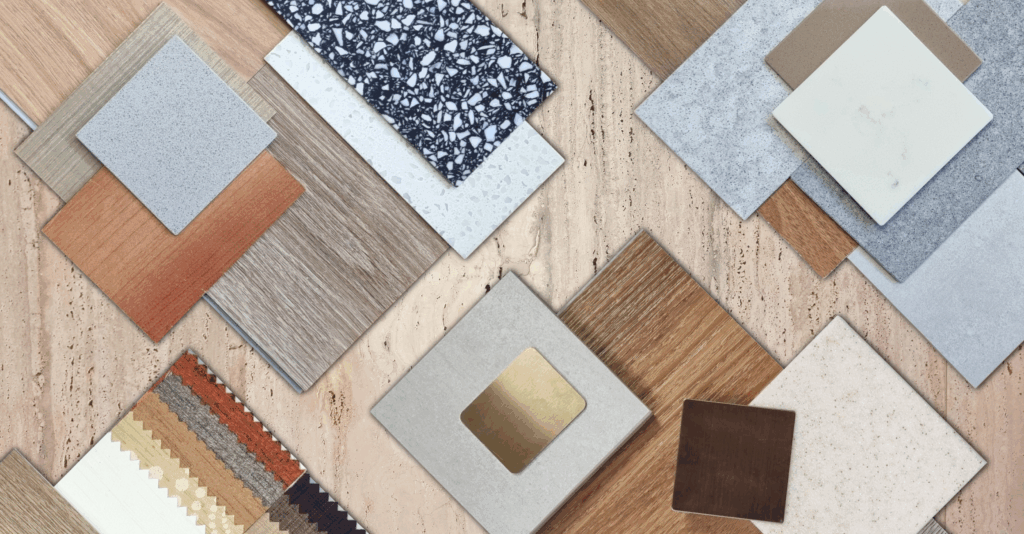
2. Repetition of Materials and Textures
You’ll often see designers repeat materials, not to limit creativity, but to build consistency.
For example:
Bronze finishes in lighting may be echoed in cabinet hardware.
A limestone fireplace in the living room may be echoed with limestone accents in the kitchen.
A signature wood tone might appear across millwork, custom furniture, or flooring transitions.
These quiet cues create an unconscious feeling of unity.
3. Proportion, Scale, and Sightlines
Cohesion also lives in the architecture of the home.
A designer studies how the eye travels:
What you see when you stand at the threshold
How furniture aligns from one room to another
How lighting fixtures relate in height, scale, and presence
This is especially important in open-concept spaces or long hallways where rooms visually overlap. Even a single disproportionate piece can interrupt the entire flow.
4. Lighting That Connects the Narrative
Lighting acts as the home’s rhythm, a series of beats that move you from space to space.
A cohesive lighting plan doesn’t rely on identical fixtures. Instead, it:
Maintains consistent color temperature
Balances ambient, task, and accent lighting
Uses fixtures that relate in mood, form, or material
The result is a home that feels warm, intentional, and beautifully illuminated at every hour.
5. Furnishings That Feel Like Part of the Same Collection
A curated home doesn’t rely on matching furniture sets, but there is a shared sensibility.
Designers create unity through:
Repeated silhouettes (e.g., gently rounded forms)
Complementary styles across rooms
A balance of modern and classic notes
Consistent levels of quality and craftsmanship
This gives the entire home a clear design identity: classic, modern, collected, sculptural, whatever reflects the homeowner best.
6. Art and Accessories That Tell a Continuous Story
Even the smallest details play a role. Designers create harmony in the finishing touches by:
Curating art that relates in tone, scale, or theme
Using accessories with shared materials (stone, glass, wood, ceramics)
Styling vignettes that feel connected but not identical
These layers make the home feel lived-in, personal, and thoughtfully edited.
7. The Designer’s Eye: Where Cohesion Truly Comes From
The truth is: no checklist can replace intuition. Cohesion is about orchestrating countless micro-decisions that work together seamlessly.
A seasoned designer sees the whole home at once, even when standing in a single room. They anticipate how every choice will echo through the space, ensuring harmony from the first sketch to the final layer of styling.
This is the difference between a home that feels decorated… and a home that feels designed.
A Cohesive Home Feels Effortless, Because Every Detail Was Intentional
Great design doesn’t call attention to itself. It simply makes life feel better:
calmer, more grounded, more aligned with who you are.
That is the art of cohesion, a quiet luxury that transforms not just the look of a home, but the way it feels to live in it.